
I’m not a morning person, so the Philips Wake-up Light sounded ideal — a gradual light that fades in alongside a gentle alarm. After 18 months of daily use with the budget model HF3501, I have mixed feelings. The concept is great. The interaction design is not.
Pain points
Instability. The device is too lightweight. It shifts every time you press the front-facing controls. The stand doesn’t hold up when pressure is applied from above.
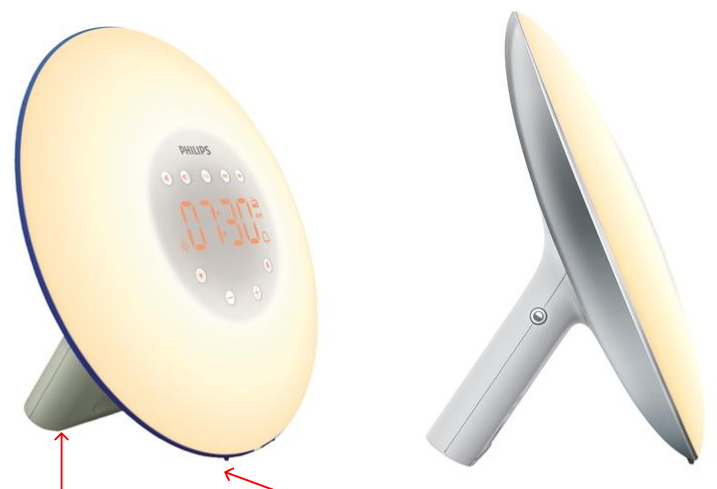
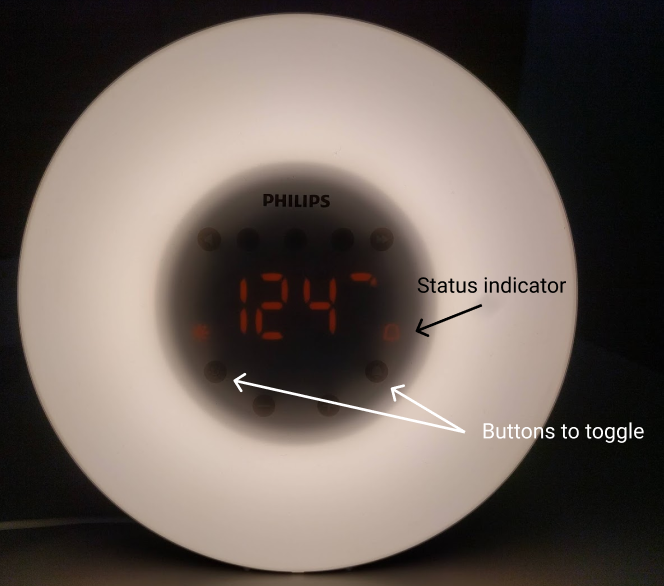
Button design. Resistive buttons on the front offer no tactile feedback. You can’t distinguish them from the surrounding surface by touch — which matters when you’re half asleep.
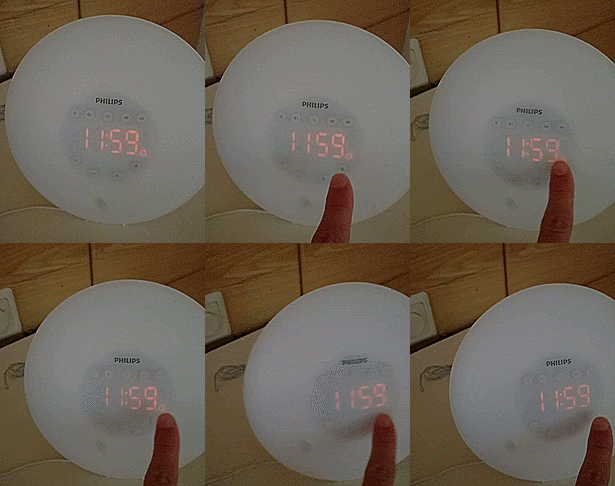
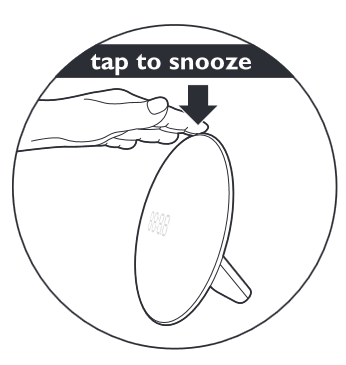
Hidden snooze. The snooze function gets minimal documentation — just a small graphic in the manual. You have to tap the upper edge, but the exact location and required pressure are unclear. Miss it, and the device tips over.
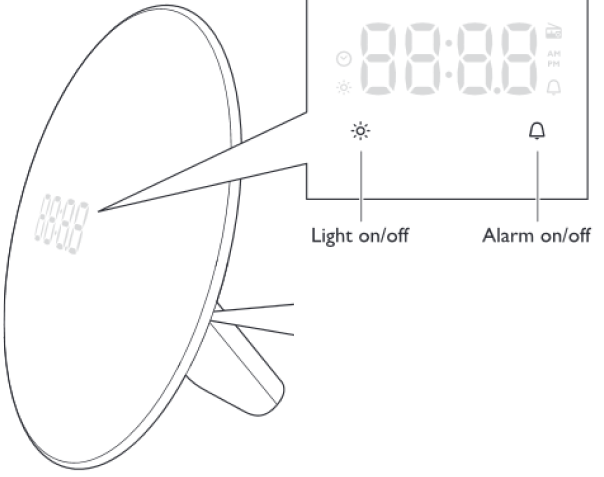
Alarm confirmation. Silencing the alarm requires pressing two buttons on opposite sides simultaneously. The illuminated status indicators look like buttons, which still confuses me after 18 months.
Takeaway
A genuinely good idea — wake up gently with light — undermined by daily usability friction. The controls feel like they were designed in CAD, not tested in a dark bedroom at 6am.